
Virtual Staging for Estate Agents and Property Teams
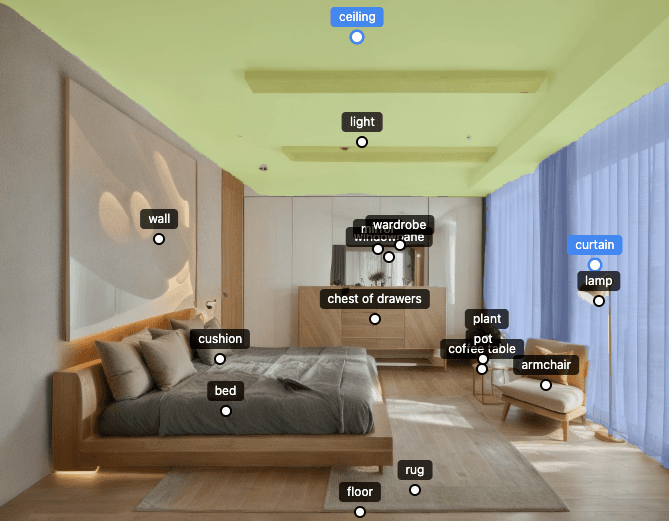
Any agent can stage one listing. The interesting problem starts at about the tenth, when three different people in the office are doing it, the results stop looking like they came from the same agency, and nobody can remember which photos were staged when the vendor asks.
That is a workflow problem rather than a software problem, and it is worth solving before you scale it rather than after.
Decide who does it
The two models both work and mixing them does not.
Either the photographer stages as part of the shoot, which keeps it with the person who understands the images and adds a step to their invoice, or one person in the office does all of it, which is slower but produces consistent output because one pair of eyes is making the calls.
What fails is every negotiator staging their own listings. You get five house styles, five furniture vocabularies, and a portal presence that looks like five agencies.
Fix the photography first
Most staging problems are photography problems wearing a disguise.
Shoot from a corner at about 1.4 metres with the camera level. Get plenty of floor in frame, because scale and perspective are read off the floor plane. Overcast light beats bright sun, since blown windows and hard shadows are the two things that most reliably wreck a staged render.
Clear the room before the shoot, not after. Staging adds furniture; it does not tidy. If the vendor has moved out but left three boxes and a curtain pole, clear them digitally with Remove Furniture AI before staging on top.
Write this down as a one-page shoot standard and give it to whoever holds the camera. It is the highest return document in the process.
Stage for the buyer, not for the room
The decision that separates a staged photo that works from one that just looks nice.
A family house near good schools wants a dining table that seats six and a sofa arrangement that faces each other. A one bed city flat wants a desk, because half the people viewing it will work from home in it. A retirement bungalow wants clear routes and a chair with arms.
This is also the one thing physical staging cannot do at any price. The same empty room can be staged twice, for two buyer profiles, and used in two different campaigns. If you are paying for the capability, use it.
Interior AI covers the rooms and Exterior AI covers frontage and garden, which is the half of kerb appeal most listings ignore. For a single fix in one part of an otherwise good photo, Magic Wand AI edits just the area you brush rather than regenerating the shot.
Keep the set consistent
Buyers scroll a listing as a sequence, and inconsistency between photos reads as amateurish even when each image is fine on its own.
Pick one furniture register per property and stay in it. A mid-century living room next to a farmhouse kitchen next to a minimalist bedroom looks like three houses.
Keep the lighting temperature the same across the set. Mixing warm and cool between rooms is the tell people notice without being able to name.
And do not stage every room. Two or three staged rooms among honest photographs reads as helpful. Twelve staged rooms reads as a brochure and invites suspicion.
Disclosure, at scale
One listing, you remember. Forty a month across four negotiators, you will not.
Staged photographs need to be disclosed as staged. Most MLS rules, most agency codes of conduct and general advertising law require it, the specifics vary by jurisdiction, and the direction everywhere is stricter.
So make it structural rather than a matter of memory. Caption the image itself at the point of staging, not at the point of upload. Keep the unstaged original next to the staged version in the property folder. Put the caption requirement in the shoot standard.
The line worth teaching juniors is simple: adding furniture is staging, removing a defect is misrepresentation. A crack, damp, a structural pillar, the pylon in the garden. If a buyer would feel deceived standing in the room, it has crossed over, and they are going to stand in the room.
What this does not fix
Staging amplifies a property; it does not repair one.
A dark north facing box with one small window is still that, furnished. An awkward layout stays awkward. A listing that is sitting because it is priced wrong will keep sitting with better photographs.
And in a genuinely hot market the photographs matter far less. Spend the effort on the stock that is not moving.
Where to start
Take your worst-performing vacant listing, stage two rooms for the buyer profile you are actually targeting, and relaunch it with the new photographs and the disclosure caption in place.
One listing tells you whether it is worth building the workflow. Start here.