
Home Staging, and Whether It Is Worth Doing on Your Property
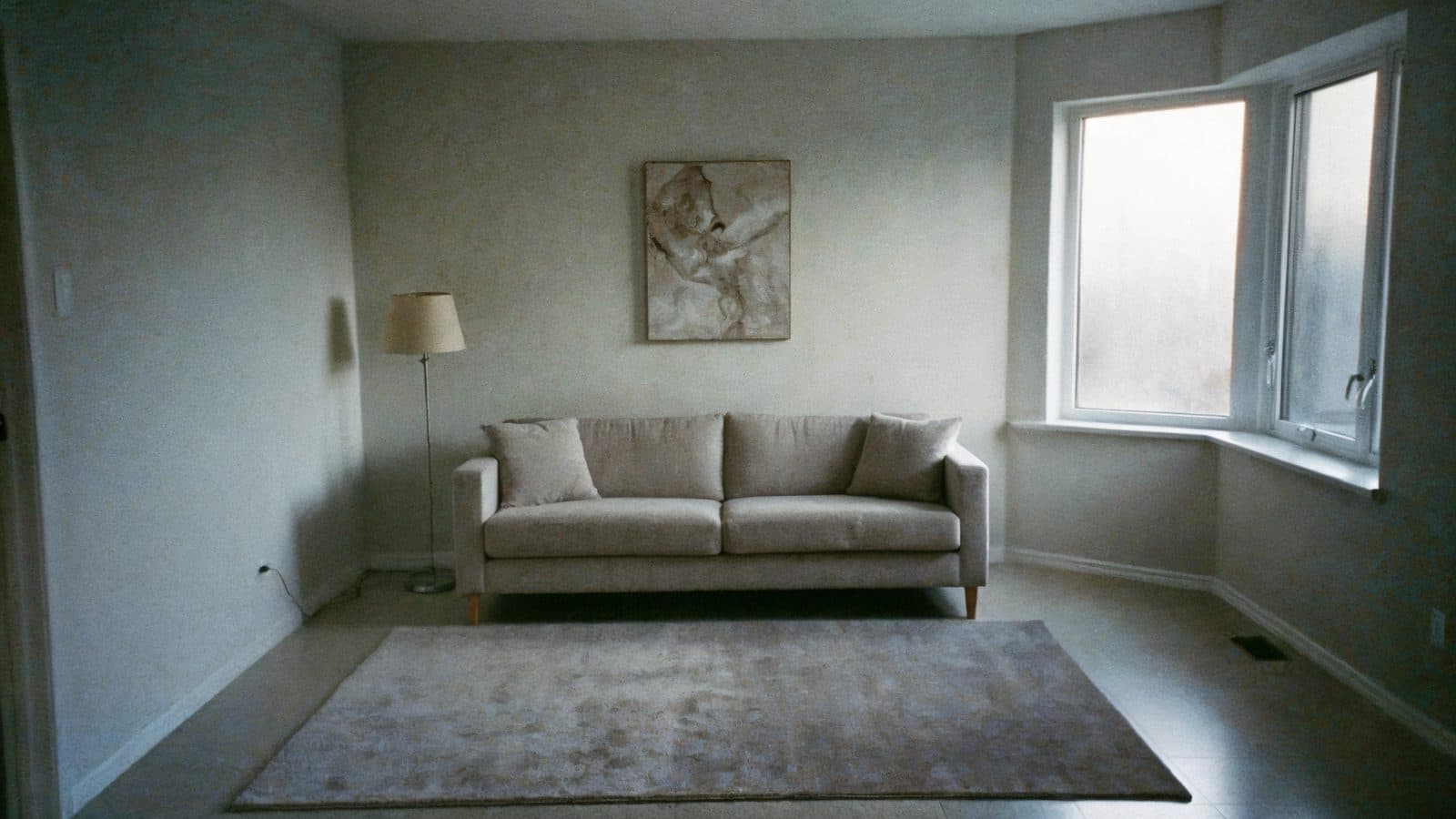
Staging is the one part of selling a house where the seller and the agent usually disagree about the money. The agent wants the property to photograph well. The seller has already paid for a survey, a solicitor and a removal van, and cannot see why a rented sofa should join the list.
Both are being reasonable. The question is narrower than it looks, and it has a fairly clear answer once you separate what staging does from what it is sold as doing.
What staging is for
Not to make the house look nicer. To make the house look usable.
A buyer scrolling a portal is not evaluating your taste. They are trying to work out, very fast, whether a room fits a life. Whether a bed goes in that bedroom without blocking the door. Whether two people can eat in that kitchen. An empty room refuses to answer either question, so buyers guess, and they guess small.
That is the entire mechanism. Everything else people claim for staging follows from it or is marketing.
The demand is seasonal and it is bigger than you think
I pulled twelve months of Google Trends data to the end of August 2026, normalised against a common anchor:
| Search term | Average interest | Peak |
|---|---|---|
| home staging | 16 | 35, early May 2026 |
| virtual staging | 3 | 5, flat all year |
| ai home staging | 1 | 3, May 2026 |
Two things worth taking from that.
The first is that "home staging" runs about five times ahead of "virtual staging". If you sell staging services and your website only says "virtual staging", most of the demand walks past you. The rising variants confirm where it is heading: home staging definition up 350 percent, home staging near me up 250 percent, ai home staging up 190 percent, digital home staging up 180 percent.
The second is the shape of the year. Interest sits around 10 through December, climbs from January, and peaks at 35 in early May. It triples. If you are an agent planning your listing photography workflow, the decision belongs in January, not in April when you are already behind.
Physical, digital, or nothing
Three options, and the honest comparison is not the one usually presented.
| Physical staging | Digital staging | Nothing | |
|---|---|---|---|
| Cost | Thousands per property plus monthly rental | Tens per image, or a subscription | Free |
| Turnaround | One to two weeks | Seconds to 72 hours | None |
| Looks | The buyer sees it at the viewing too | Photos only | Empty rooms |
| Best for | Empty high-value homes, show flats | Most listings | Hot markets, quick sales |
The comparison that matters is the third column against the other two. Most listings do nothing, and doing nothing is what quietly costs the most, because it is invisible. You never see the buyer who did not click.
Physical staging still wins in one specific case: a vacant, expensive property where buyers will walk through empty rooms in person. Photographs are only half the problem there. Below that price point the maths rarely works.
Digital covers everything else. Virtual Staging on Luw.ai furnishes an empty room photo in around twenty seconds, and the same photo can be staged twice for two different buyer profiles, which is something physical staging can never do at any price.
The rule people break
Staged photographs have to be disclosed as staged. Most MLS rules, most agency codes and general advertising law say so, the specifics vary by country, and the direction everywhere is stricter rather than looser.
There is also a line between staging and misrepresentation, and it is not subtle. Adding furniture, a rug, art, warmer lighting: fine. Removing a structural pillar, painting over damp, erasing a crack, enlarging a window, deleting the pylon outside: not fine.
The test is whether a buyer would feel deceived standing in the room. They will be standing in the room. A misleading photo buys you a wasted viewing and a bad review, which is a poor trade for a click.
"Virtually staged" in the caption costs you nothing and protects you.
Doing it properly
Clean and empty the room before you photograph it. Staging adds furniture, it does not tidy. Scuffed skirting and a trailing cable will still be there under the new sofa. If the room is full of the current owner's things, clear it with Remove Furniture AI first rather than staging on top of clutter.
Shoot from a corner at about 1.4 metres, camera level. Standing eye height makes rooms look smaller, which is the opposite of the goal.
Get plenty of floor in frame. Scale and perspective are worked out from the floor plane, and a photo cropped at the skirting board gives the tool nothing to measure against.
Stage for the buyer, not for yourself. A family house near good schools wants a dining table that seats six. A one bed city flat wants a desk, because half the viewers will work from home in it. This is the highest leverage decision in the process and it is the one most people skip.
And under-furnish. The commonest amateur mistake is cramming the room, which makes it look smaller. A sofa, a chair, a rug, a lamp and one piece of art beats a full set nearly every time.
When not to bother
When the room's problem is not emptiness.
A dark north facing box with one small window is still a dark north facing box with a sofa in it. Staging amplifies what is there; it does not invent light or fix an awkward layout.
Also skip it on anything that will sell in a week regardless. In a genuinely hot market photographs matter much less, and the effort belongs on the listings that are sitting.
Common questions
What does home staging involve?
Preparing a property so it photographs and shows well: decluttering, sometimes repainting, and furnishing or re-furnishing rooms so buyers can read what each space is for. It can be done physically with rented furniture or digitally on the photographs.
How much does home staging cost?
Physical staging runs into thousands per property plus ongoing furniture rental, which is why it is usually reserved for vacant high-value homes. Digital staging is tens per image through a service, or a subscription if you self-serve, and several tools including Luw.ai have free tiers.
Is digital home staging the same as virtual staging?
Same thing, different label. "Virtual staging" is the older term and still dominates in the United States; "home staging" and "digital home staging" are what more people search now. If you sell the service, use both on your site.
Does staging increase the sale price?
The circulating percentages vary wildly by study and market, so treat any single figure with suspicion. What holds up is the mechanism: staged photographs hold attention longer in a listing feed, and empty rooms are consistently misjudged as smaller than they are. Claim the mechanism, not a number.
When should I stage?
Photograph and stage before the listing goes live, not after it stalls. Relaunching a listing with better photos works, but it works less well than launching with them, because the first week is when the portal pushes you hardest.
Can I stage a room that still has furniture in it?
Clear it digitally first, then stage the empty version. Staging on top of existing furniture produces cluttered, confused images. Two steps, better result.
Where to start
Take the worst empty room in the property, photograph it from the corner at chest height with the floor in shot, and stage it two ways for two different buyers. Put both next to the original.
That comparison answers the question for the whole property in about five minutes. Try it free.
Related reading