
What Virtual Staging Costs, and the Rule Agents Keep Breaking
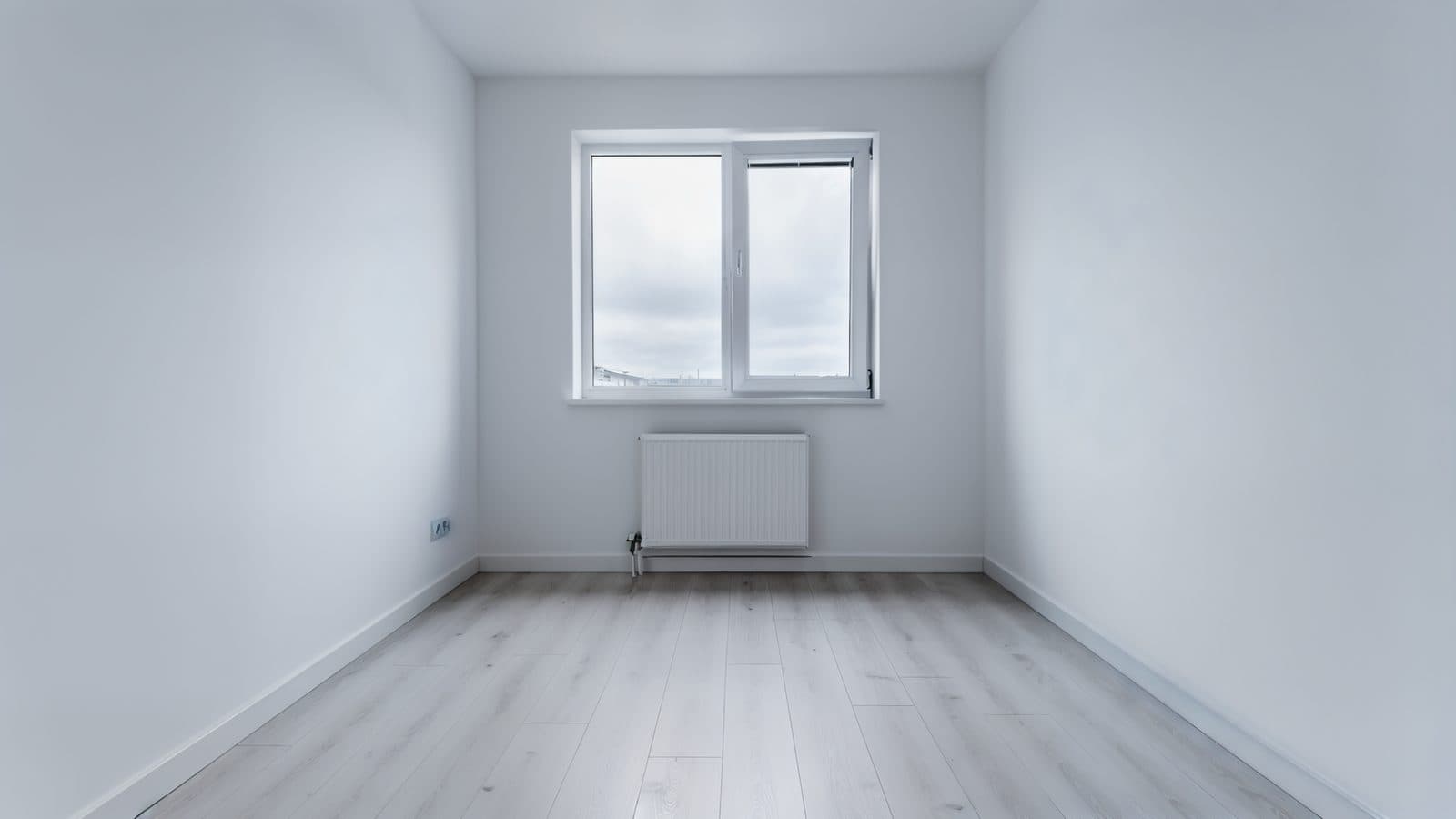
Twenty seconds is roughly how long a buyer spends on a listing photo before scrolling. An empty room loses most of that.
Buyers scrolling listings can't judge scale from an empty room, so they default to assuming it's small. They can't see how the space would be used, so they don't imagine themselves in it. And they scroll past faster, which is the metric that counts when the portal is ranking your listing partly on engagement.
Which is why staging exists. And why virtual staging has quietly taken over most of it.
What it is
You photograph the empty room. Software adds furniture, rugs, art and lighting to the photo. The listing shows a furnished room that was never physically furnished.
The furniture isn't real. The room is. That distinction matters legally and I'll come back to it.
Older virtual staging was a Photoshop job done by a human, which is why it took three days and looked like a furniture catalogue pasted onto a photo. Current tools do it from the photo directly, holding the room's perspective, floor plane and light so the furniture sits in the space rather than floating slightly above it. Virtual Staging on Luw.ai turns an empty room photo around in roughly twenty seconds.
What it costs
Rough market ranges, and they vary a lot by country:
| Approach | Typical cost | Turnaround |
|---|---|---|
| Physical staging, whole property | Thousands per property, plus monthly furniture rental | 1 to 2 weeks |
| Traditional virtual staging service | Roughly 20 to 100 per image | 24 to 72 hours |
| AI virtual staging tool, self serve | A subscription, or free tiers for low volume | Seconds |
| Doing nothing | Free | Free |
The interesting comparison isn't AI versus a staging service. It's staging versus nothing, because "nothing" is what most listings do, and it's the option that quietly costs the most.
The other thing the table hides: with physical staging you get one look. With virtual staging you can produce the same living room as a family space, a young professional's flat, and a downsizer's sitting room, and use whichever matches the buyer profile in that market. That optionality is worth more than the cost saving in my opinion.
The disclosure rule people keep breaking
This is the part that gets agents in trouble, so it goes above the tips rather than below them.
Virtually staged photos should be disclosed as virtually staged. Most MLS rules, most estate agency codes of conduct, and general advertising law in most markets require it. The specifics vary by jurisdiction, so check yours, but the direction is consistent everywhere and it's getting stricter rather than looser.
More importantly, there's a line between staging and misrepresentation, and it's not subtle:
Fine. Adding furniture to an empty room. Adding a rug, art, plants, lamps. Making the lighting warmer.
Not fine. Removing a structural pillar. Painting over damp. Erasing cracks in the wall. Making the window bigger. Adding a view that isn't there. Removing the pylon.
The test is simple. If a buyer would feel deceived standing in the room, you've crossed it. Staging is meant to help people imagine the space, not hide what's wrong with it. And practically speaking, they are going to stand in the room, so the only thing a misleading photo buys you is a wasted viewing and a bad review.
Label it clearly. "Virtually staged" in the caption is enough. It costs you nothing in buyer trust, and it protects you.
Getting a good result
Shoot the room empty and clean it first. Virtual staging adds furniture, it doesn't tidy up. Scuffed skirting, a dirty window and a stray cable will all still be there, now underneath a nice sofa. If you want the clutter gone, remove it properly with Remove Furniture AI before you stage, rather than hoping the new furniture hides it.
Shoot from a corner at chest height, about 1.4 metres. Standing eye level makes rooms look smaller and ceilings lower. Chest height with the camera level is the standard property photography position for a reason.
Get the floor in shot, and plenty of it. The staging engine works out scale and perspective from the floor plane. A photo cropped tight at the skirting board gives it nothing to work from and the furniture will come out the wrong size.
Use natural light, and shoot on an overcast day if you can. Blown out windows and hard shadow lines are the two things that most reliably wreck a staged render.
Stage for the buyer, not for yourself. A three bed semi near good schools wants a family dining table. A one bed city flat wants a desk in the corner because half the viewers are going to work from home in it. This is the single highest leverage decision in the whole process and most people skip straight past it.
Don't overfill. The most common mistake by a mile. Amateur staging crams in furniture, which makes the room look smaller, which is the exact opposite of the goal. A sofa, a chair, a rug, a lamp and one piece of art will beat a fully furnished render nearly every time.
When it isn't worth it
Straight answer: when the room's problem isn't emptiness.
A dark north facing box with one small window is still a dark north facing box with a sofa in it. Staging won't fix bad light, an awkward layout, or a room you can't put a bed in. It amplifies what's already there.
Also not worth it on a property that's going to sell in a week regardless. In a hot market the photos matter much less, and the effort belongs on the listings that are sitting.
Common questions
What is virtual staging?
Digitally adding furniture and decor to a photo of an empty room, so buyers can see how the space might be used. The room is real, the furniture isn't. It's used mainly in property listings as a cheaper, faster alternative to physically furnishing a vacant home.
How much does virtual staging cost?
Traditional services typically charge somewhere between 20 and 100 per image depending on market and turnaround. Self serve AI tools work on a subscription, and several including Luw.ai have free tiers that are enough for occasional use. Physical staging by comparison runs into thousands per property plus ongoing rental.
Is virtual staging legal?
It is legal, and standard practice. What is required nearly everywhere is disclosure, so the listing needs to say the photos are virtually staged. What's not allowed is using it to hide defects or misrepresent the property itself. Rules vary by jurisdiction, so check your local MLS or regulator.
Does virtual staging help a property sell?
The mechanism is well established even if the numbers vary by study and market. Staged photos hold attention longer in a listing feed, and empty rooms are consistently misjudged as smaller than they are. The realistic claim is that it improves engagement and helps buyers picture the space, not that it adds a fixed percentage to the price.
How long does virtual staging take?
Traditional services usually quote 24 to 72 hours. AI tools do it in seconds, which is the practical difference when photos are being shot on Tuesday and the listing goes live Wednesday morning.
Can I virtually stage a furnished room?
Better to empty it first. Staging on top of existing furniture produces cluttered, confused results. Clear the room digitally, then stage the empty version. Two steps, better outcome.
Does virtual staging work for rentals and short lets?
It works there too, and is arguably underused. Unfurnished rental listings suffer the same empty room problem, and letting agents have the same twenty second window to hold attention.
Where to start
Take one clean, well lit photo of your worst performing empty room, from the corner, at chest height, with the floor visible. Stage it two ways for two different buyer profiles. Put both next to the original.
You'll know within a minute whether it's worth doing for the rest of the property.
Try virtual staging free, and if you're doing this at volume, the real estate workflow guide goes deeper on the agency side.
Related reading